What Makes Skellig Michael So Special
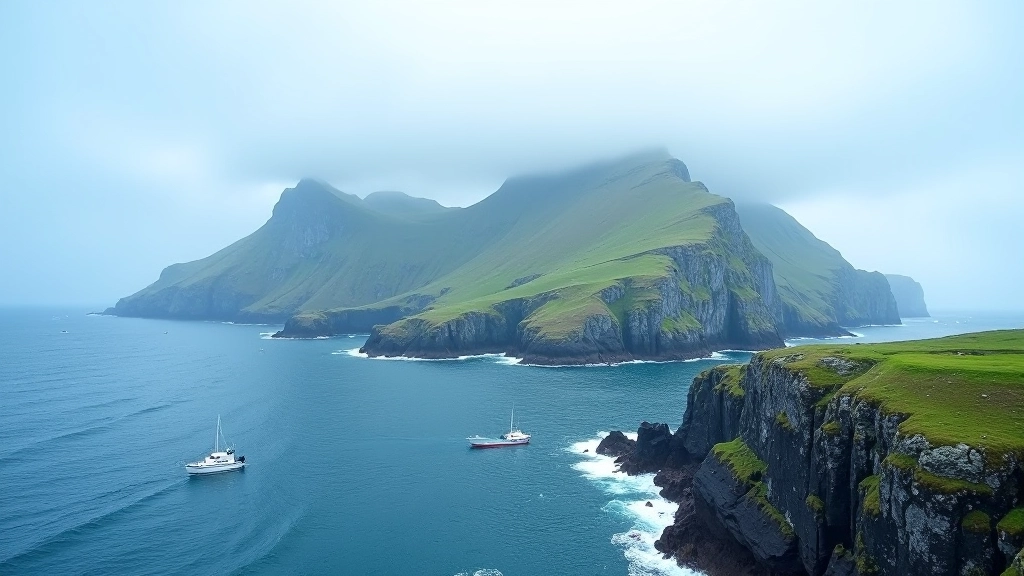
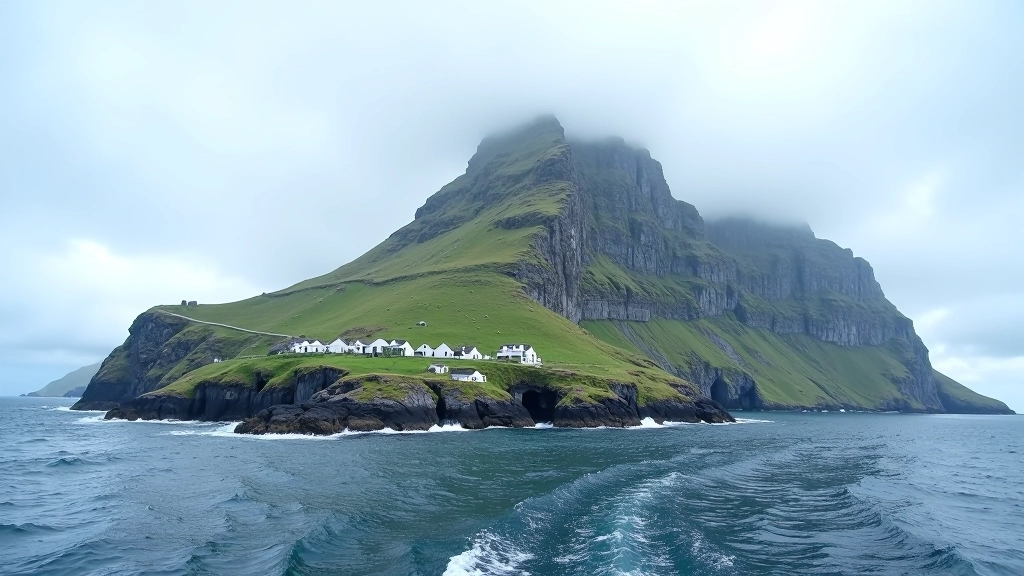
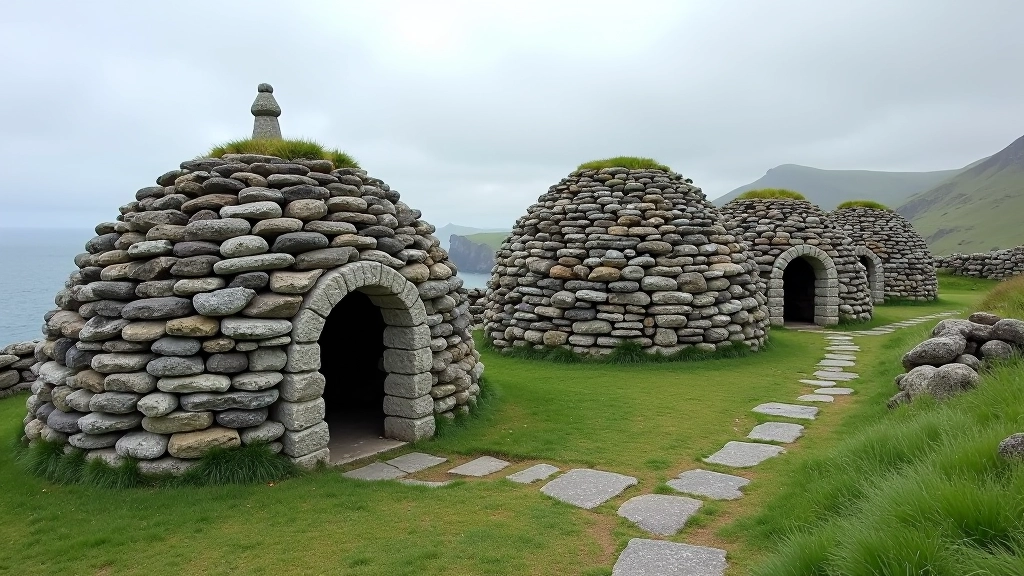
Skellig Michael isn't your typical day trip. It's a rocky, windswept island sitting 12 kilometers off the coast of County Kerry, and it's genuinely one of the most otherworldly places you'll visit in Ireland. The island's been inhabited on and off for over 1,500 years — early Christian monks built a monastery here around the 6th century, and you can still see their stone beehive huts standing exactly as they left them.
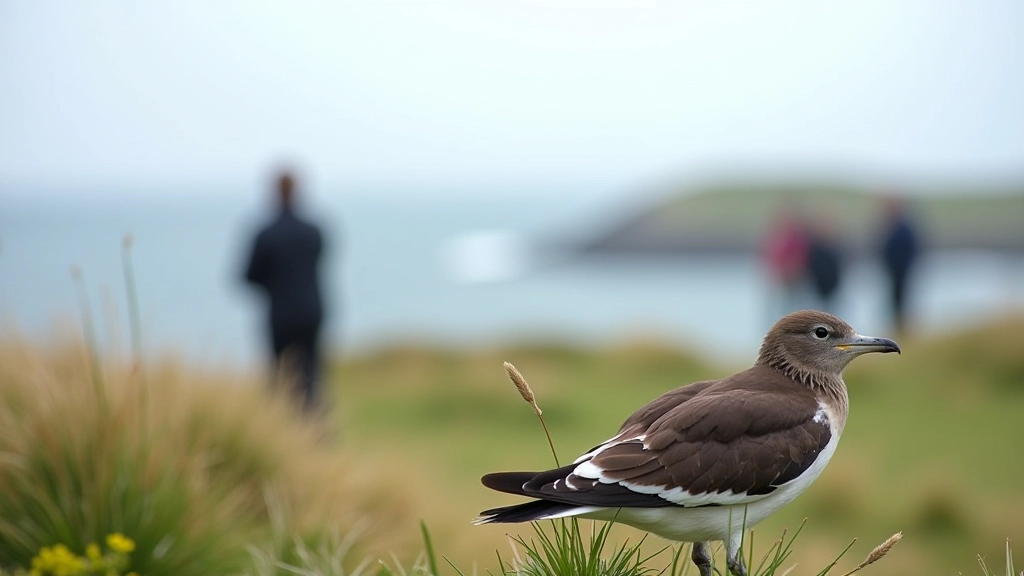
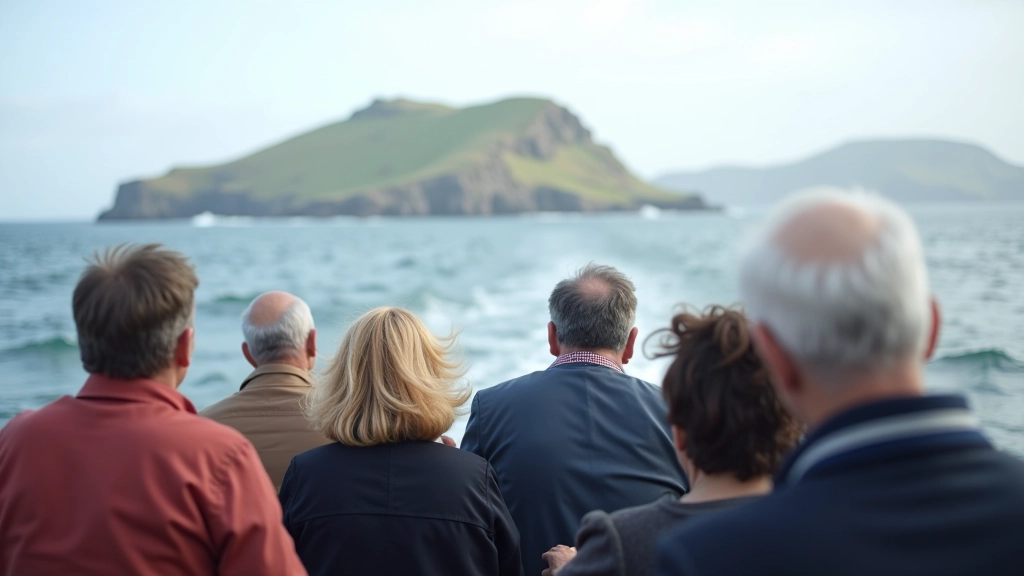
What you're really getting is a combination of ancient history, dramatic landscape, and genuine isolation. The moment your boat rounds the final headland and Skellig appears, you'll understand why people make the journey. Sheer cliffs rise 200 meters from the water. Seabirds wheel overhead — puffins, razorbills, guillemots — especially in breeding season from April through July. The experience doesn't feel curated or manufactured. It feels like you've stepped into something wild and genuine.
Getting There: Your Cruise Options
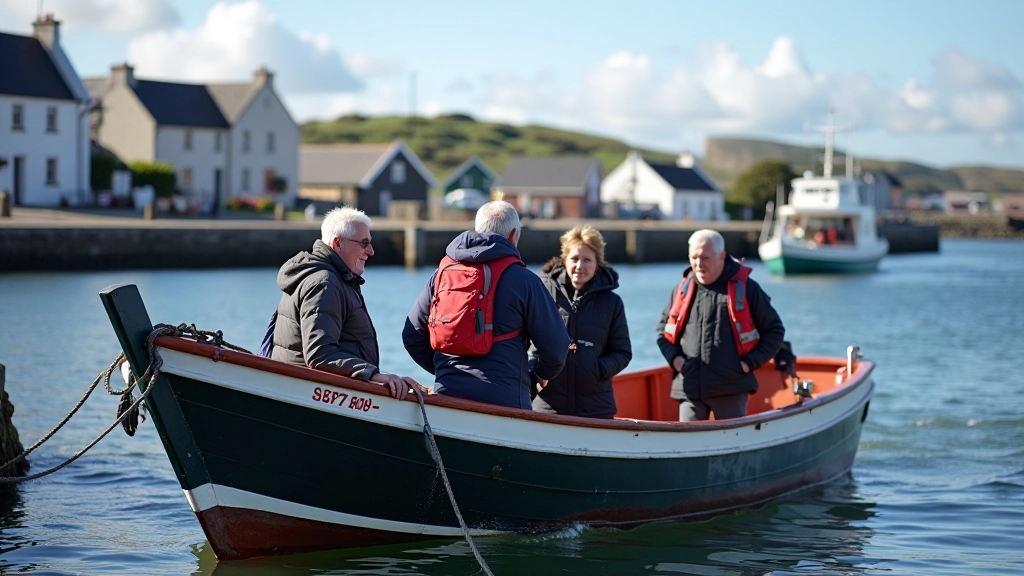
The main jumping-off point is Portmagee, a small fishing village about 90 minutes' drive from Tralee. Several operators run daily tours during the season — you'll typically find boats departing between 10 AM and 2 PM, depending on tides and weather. The journey takes about 45 minutes each way, and you'll usually spend 2-3 hours on the island itself.
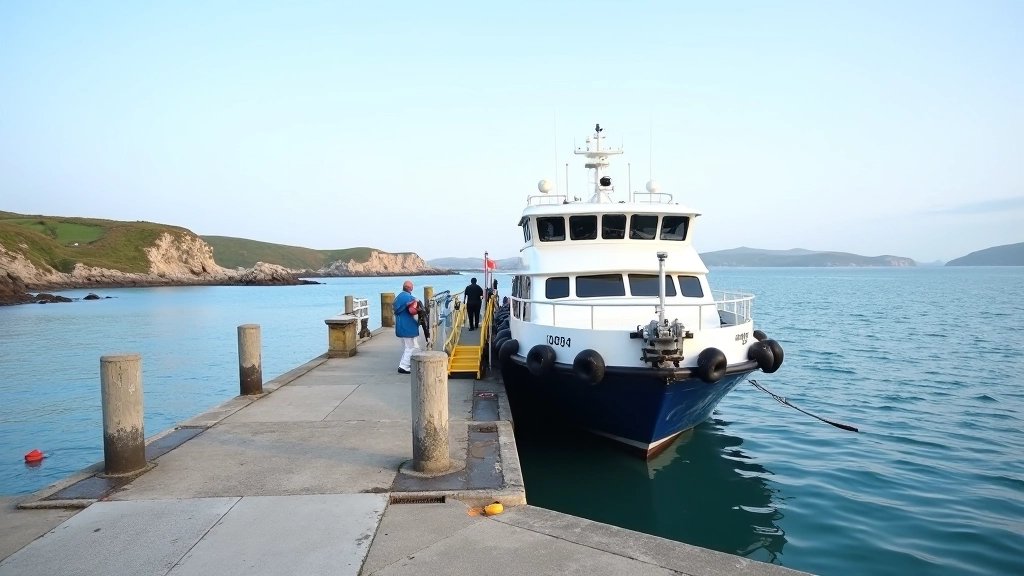
Boats vary in size and comfort. Some are modern passenger ferries with indoor seating and toilets. Others are smaller traditional fishing boats — rougher around the edges but more character. If you're concerned about rough seas (and you should be honest about that), look for operators running larger vessels. They handle the Atlantic swell better. The boats aren't luxurious, but they're well-maintained and the crews know these waters inside and out.
Pro tip: Book directly with operators rather than through tourist offices. You'll get better prices and can ask specific questions about accessibility and comfort level.
What You'll Actually Experience on the Island
Landing on Skellig is an adventure in itself. You'll climb out of the boat onto a small concrete pier — nothing fancy, but solid. From there, you've got two choices: stay near the landing area or tackle the climb up to the monastery.
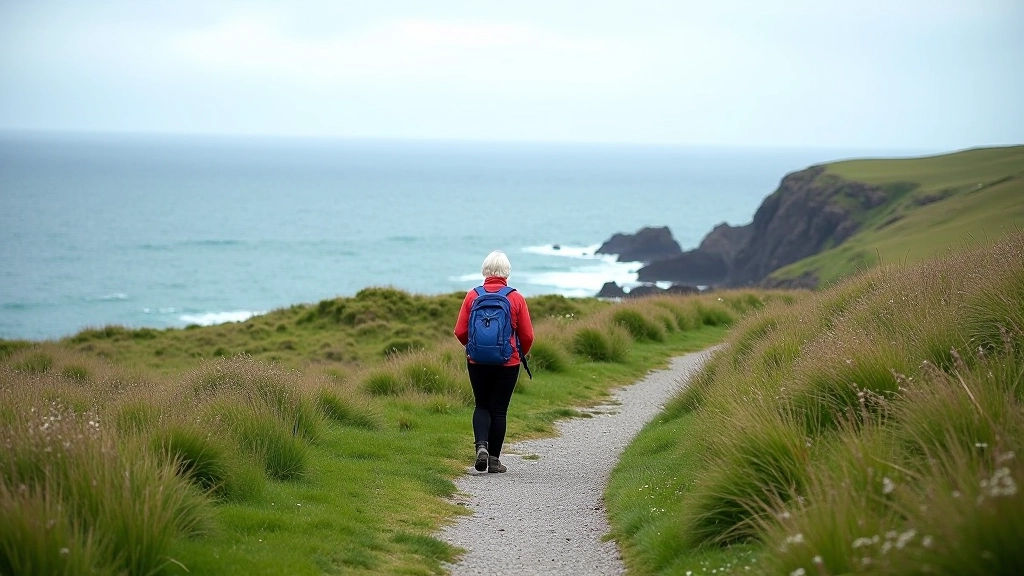
The full hike is roughly 600 steps carved into the rock, gaining about 150 meters in elevation. It's steep. Your legs will feel it. But the views as you climb are extraordinary — the island drops away beneath you, the mainland shrinks into the distance, and you're basically walking into the sky. The monastery itself is surprisingly intimate. Six or seven beehive huts, a small oratory church, a graveyard. Everything's positioned to catch whatever shelter the island offers, built by people who chose this place deliberately and lived here for centuries.
If climbing isn't for you, don't feel pressured. The landing area has excellent views. You can photograph the island, watch the seabirds, sit and absorb the atmosphere. Many people find standing at water level, looking up at those cliffs and ancient stone structures, just as powerful as being up top.
What to Bring and How to Prepare
Clothing
Wind and spray are constant. Bring a windproof jacket you don't mind getting damp. Layers work best — you might be warm climbing, then freezing on the boat. Waterproof trousers if you're prone to seasickness worries. Good walking shoes with grip (not trainers). The stone paths get slippery when wet.
Supplies
There's no café on the island. Bring water and snacks. Sunscreen even on cloudy days — the reflection off rock and water is intense. Motion sickness tablets if you're uncertain about your sea legs. A small bag that won't weigh you down if you're climbing.
Timing
Tours run April through October. May and June offer the longest daylight and best wildlife viewing (puffins are active). July and August are warmest but also most crowded. September is quieter and still mild. October gets choppier seas but fewer tourists.
Budget Reality
Expect to pay €60-80 per person for a tour. It's not cheap, but you're paying for experienced captains who know how to handle these conditions safely, and the value in what you're seeing is genuinely high.
Accessibility and Limitations (Be Honest With Yourself)
Let's be straightforward. Skellig Michael isn't accessible in the way a museum or shopping center is. The boat ride can be rough — the Atlantic doesn't care about your comfort. The island has no facilities beyond that concrete pier. If you're climbing to the monastery, you're managing 600+ steps on uneven terrain with a 200-meter drop on one side.
That said, many people with mobility challenges do make the trip. Some climb partway and turn back — there's no shame in that. Others stay at the landing area and have a profoundly meaningful experience without going higher. Portmagee village is fully accessible if you need to spend time there before or after your tour. The boats themselves vary — ask operators directly about handrails, step height, and whether they can assist passengers boarding.
Important: Tours don't operate if waves exceed a certain height or weather deteriorates. It's not uncommon for tours to be cancelled in autumn and winter. Don't plan your entire trip around Skellig — have backup activities in the area.
Is It Worth the Trip?
Yes. You'll spend maybe €100-150 per person total (tour plus travel and food). You'll be uncomfortable at points — your legs will ache, the boat will rock, the wind will try its best to blow you sideways. You'll come back salt-stained and tired and slightly damp.
You'll also stand on an island where people deliberately chose to live in isolation over 1,500 years ago and built something that's still standing. You'll see puffins. You'll understand why the Irish coast is famous for looking like the edge of the world. You'll have a story that doesn't feel manufactured or curated. That's worth the discomfort.
If you're planning a visit to Kerry, Skellig Michael should be on your list. Go in May or June if possible. Dress properly. Bring water. Manage your expectations about comfort. And don't hesitate to stay at the landing if climbing isn't right for you. You'll still have the experience you came for.
Disclaimer
This article is informational and educational in nature. While we've made every effort to provide accurate details about Skellig Michael tours and accessibility, conditions change seasonally and weather impacts operations unpredictably. Before booking, contact tour operators directly to confirm current schedules, accessibility features, pricing, and safety requirements. This information reflects general conditions as of June 2026 and should not be considered definitive guidance. Always consult with your healthcare provider before undertaking physical activities, especially if you have mobility concerns or motion sensitivity. Tour operators and local authorities are the authoritative sources for safety and access information.