
Why Cape Clear Matters for Birdwatchers
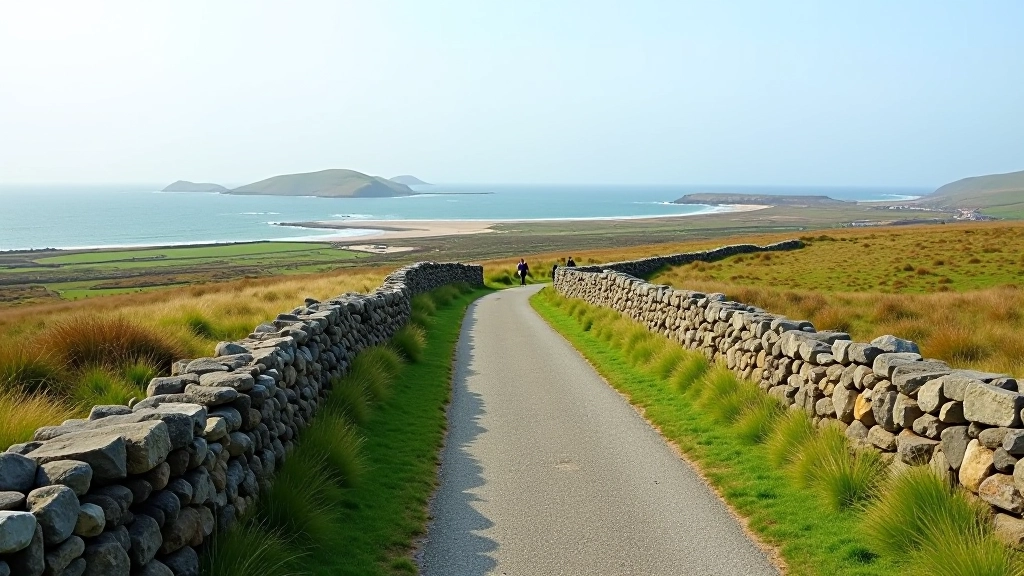
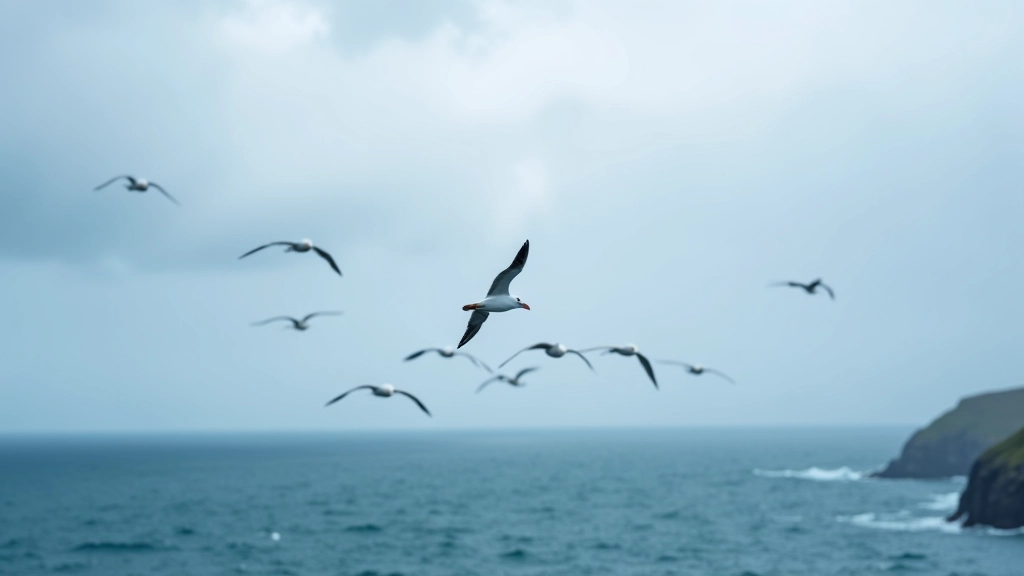
Cape Clear Island sits at a crossroads of major migration routes. It's where thousands of birds pass through twice yearly, making it one of Europe's richest birding locations. We're talking warblers, raptors, seabirds, and rare vagrants that don't show up anywhere else in Ireland.
The island's position off Ireland's southwestern coast creates ideal conditions. When you visit, you'll understand why ornithologists have been documenting bird life here since 1959. It's not just numbers — it's the sheer variety and the accessibility of seeing birds in their natural behavior.

Understanding the Migration Seasons
Spring migration (March to May) brings an explosion of activity. Warblers arrive from Africa, exhausted from crossing the Atlantic. You'll see species here that won't appear again until autumn. The variety changes almost daily, which keeps even experienced birders coming back.
Autumn (August to October) is actually the peak season. Numbers are higher, and the unpredictability is thrilling. Rare birds from North America occasionally show up, carried off-course by Atlantic weather systems. It's not guaranteed, but that's part of what makes it interesting.
Summer and winter attract resident seabirds and wintering species. Less dramatic than migration seasons, sure. But you'll still see plenty, and the weather's often better in summer for spending hours outdoors without getting soaked.
Practical Viewing Techniques That Work
Position and Patience
You don't need to hike the entire island. The best viewing happens from specific headland spots where birds funnel past during migration. Settle into a sheltered spot early — birds are most active at dawn and in late afternoon. Bring a cushion. Seriously. You'll be sitting for hours.
Using Your Binoculars Effectively
Decent 8x42 binoculars are essential. They're heavier than smaller ones, but they gather more light and give you clearer images in the variable Irish weather. Practice finding birds in your binoculars before you come — it's harder than it looks when you're excited and the bird's moving.
Field Identification Skills
Bring a good field guide specific to Europe. Cape Clear's species mix overlaps with mainland Europe. You'll see birds that look almost identical to each other — knowing which subtle marks separate them is what separates a good record from a confused sighting. The observatory staff can help with difficult identifications.

Observatory Facilities and Access
Observatory Building
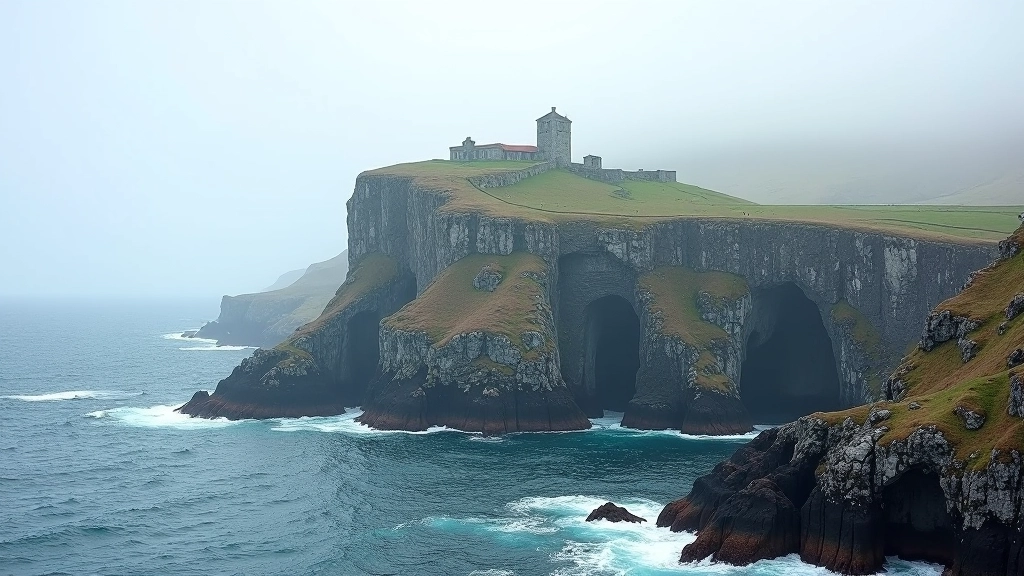
The main observation station has covered viewing areas and a small reference library. You'll find telescope access, bird identification charts, and daily sighting logs. It's staffed seasonally with trained ornithologists who can answer questions.
Seating Areas
Multiple covered benches and sheltered spots overlook prime viewing areas. Some positions have wind breaks. You'll find public restrooms within a short walk, and a small café serves tea, coffee, and light refreshments.
Accessibility Features
The main viewing platform has wheelchair access via a maintained path from the parking area. Not every spot on the island is accessible, but the primary observation points are. Ferry companies offer assistance boarding if you need it.
Information Resources
Daily bird lists are posted showing what's been spotted recently. You can contribute your own sightings to the observatory records. Guidebooks and identification resources are available for reference or purchase.
Planning Your Visit: What You Need to Know
Getting There
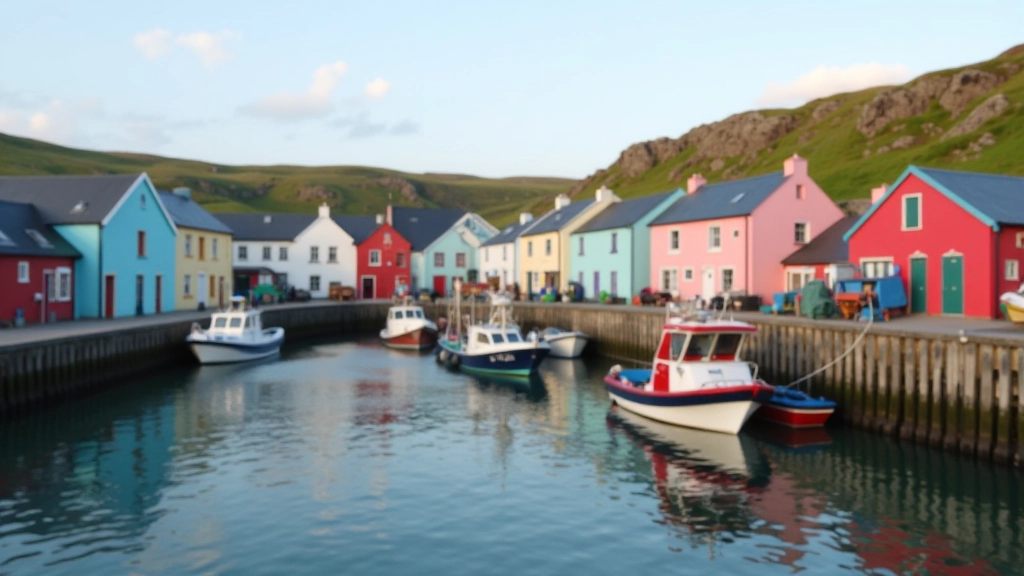
You'll reach Cape Clear by ferry from Baltimore, a small fishing village about an hour's drive from Cork City. The journey takes 45 minutes. Ferries run year-round, though schedules change seasonally. Book in advance during peak migration periods — the boats fill up fast.
What to Bring
Waterproof jacket (mandatory — Irish weather isn't negotiable). Binoculars, field guide, notebook. Comfortable walking shoes with good grip. A thermos of tea or coffee. Sunscreen even on cloudy days — the reflection off water is intense. Layers. Always layers.
Best Times to Visit
Mid-August through October for autumn migration — this is the prime season. May for spring activity. Winter (November-February) has fewer birds but fewer tourists too, so you'll get quieter viewing. Summer works if you're not obsessed with rare species.
Accommodation Options
The island has a small hotel, guesthouses, and self-catering cottages. Many birders stay overnight to catch dawn activity — it's worth doing if you can manage it. If you prefer a base on the mainland, Baltimore has more options and it's only a ferry ride away.
Expert Tips From Experienced Observers
Start Early, Stay Late
Birds are most active within the first couple hours after sunrise and again in the late afternoon. You don't have to be out all day — focused time during peak periods beats wandering around midday when activity drops.
Talk to the Observatory Staff
They know exactly what's been moving through and where to find it. Don't be shy — they're there to help and they genuinely enjoy talking birding. You'll learn more in 10 minutes with them than you would reading guides for hours.
Dress for Worse Weather Than Forecast
Atlantic weather changes fast. The forecast says "light drizzle"? Bring proper rain gear. You're exposed on a small island with nowhere to hide. Being cold and wet ruins your ability to focus on birds.
Keep a Field Notebook
Write down what you see with the date, time, and behavior notes. You'll forget details by the time you get home. Plus your notes contribute to the scientific records if you share them with the observatory.
Start Your Cape Clear Adventure
Cape Clear Island isn't just a destination for hardcore birders. It's genuinely accessible for anyone with genuine interest in birds and the patience to sit quietly and watch. The island welcomes visitors of all ages and fitness levels. You'll find yourself part of a community that shares a deep appreciation for wildlife.
Whether you're retired and looking for a meaningful outdoor pursuit, or you've always wanted to understand birds better, Cape Clear delivers. The experience changes how you see the natural world — even after you've left the island and returned home.
Important Disclaimer
This guide provides educational information about Cape Clear Island Bird Observatory and birdwatching in general. While we've made efforts to ensure accuracy regarding facilities, access, and seasonal information, conditions can change. We recommend checking directly with the observatory and ferry operators for current opening hours, accessibility details, and weather advisories before planning your visit. Always follow local guidelines and respect private property while exploring the island. Your safety and the protection of bird habitats are paramount.