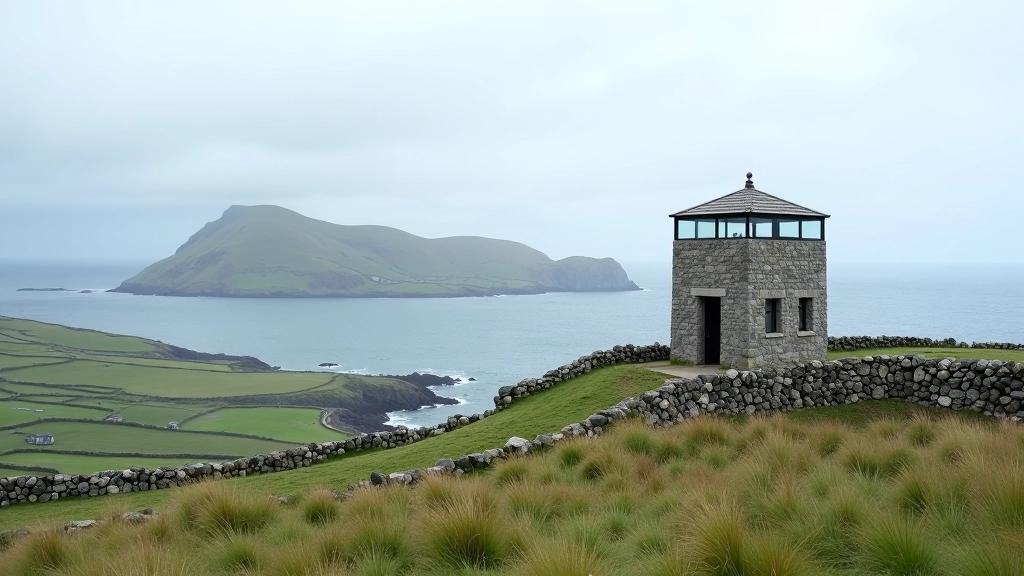
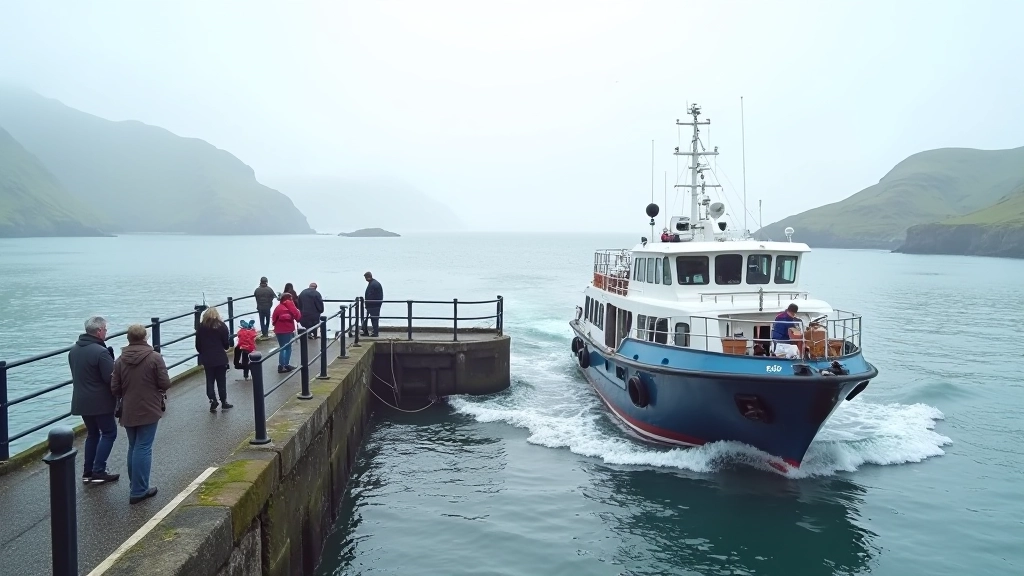
Planning Your Island Adventure
Island hopping isn't just for the young and agile. It's genuinely accessible if you know what to expect and prepare in advance. We're talking ferries to the Aran Islands, Cape Clear, Skellig Michael — these routes have come a long way in recent years with proper facilities for people with mobility challenges.
The key difference between a smooth trip and a frustrating one? Knowing exactly what accessibility features each ferry offers before you book. We've gathered the real details so you're not guessing when you arrive at the dock.
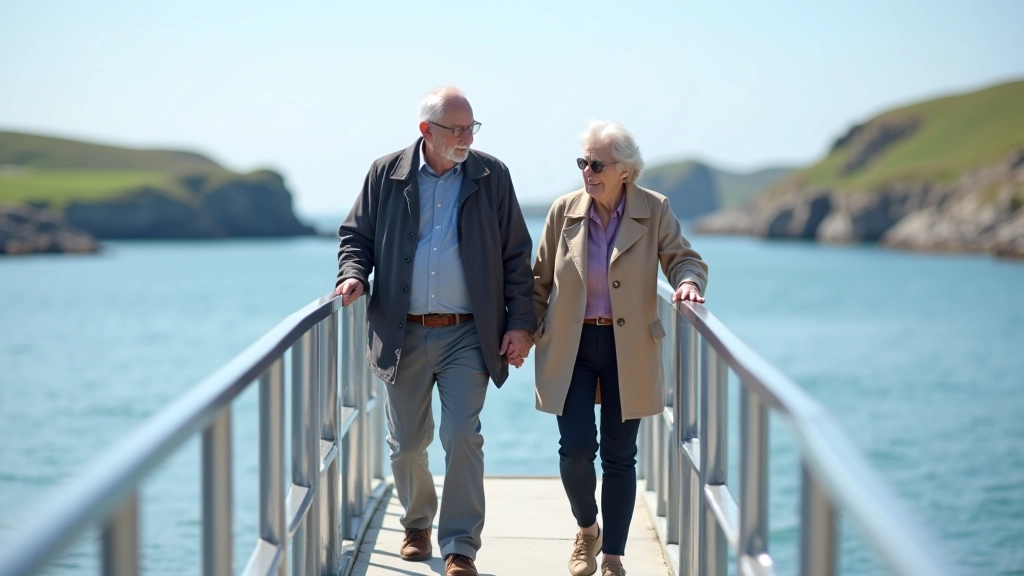
Boarding & Onboard Accessibility
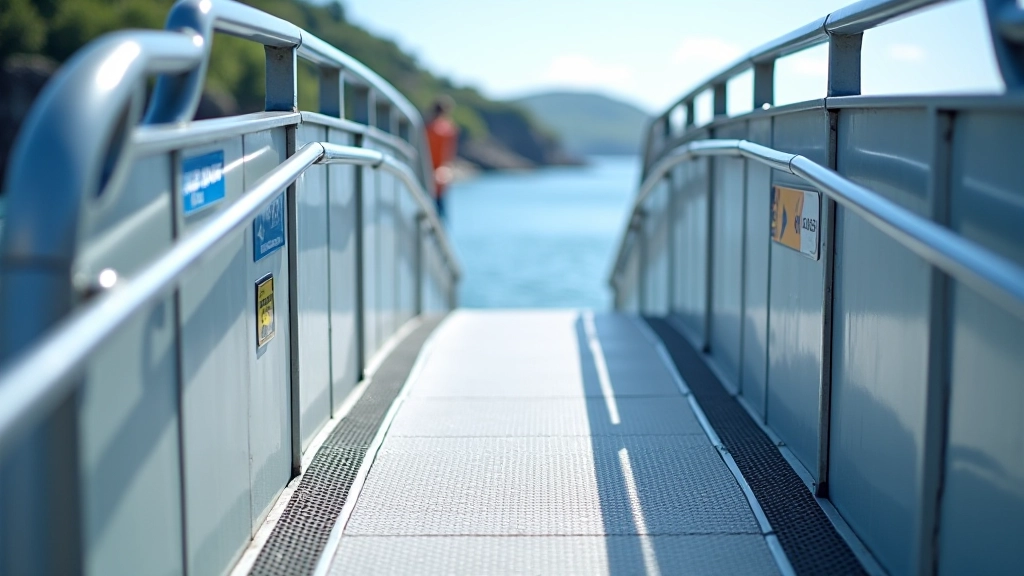
Modern ferries operating the Irish island routes have wheelchair ramps at most ports. That said, not all ramps are created equal. Some are steep, some have limited width, and some require assistance from staff to position properly.
Here's what you'll typically find: accessible toilets on board (usually one per ferry), designated wheelchair spaces in the main cabin, and staff trained to help with boarding. The Aran Island ferries from Doolin and Rossaveal both have proper facilities. Skellig Michael cruises use smaller boats — that's where things get trickier. The vessels are narrower and don't have the same space for mobility aids.
Pro tip: Call ahead. Most ferry companies have staff who can arrange pre-boarding assistance, position you near exits if needed, and even alert crew to medical equipment you're bringing.
Quiet Spaces & Comfort
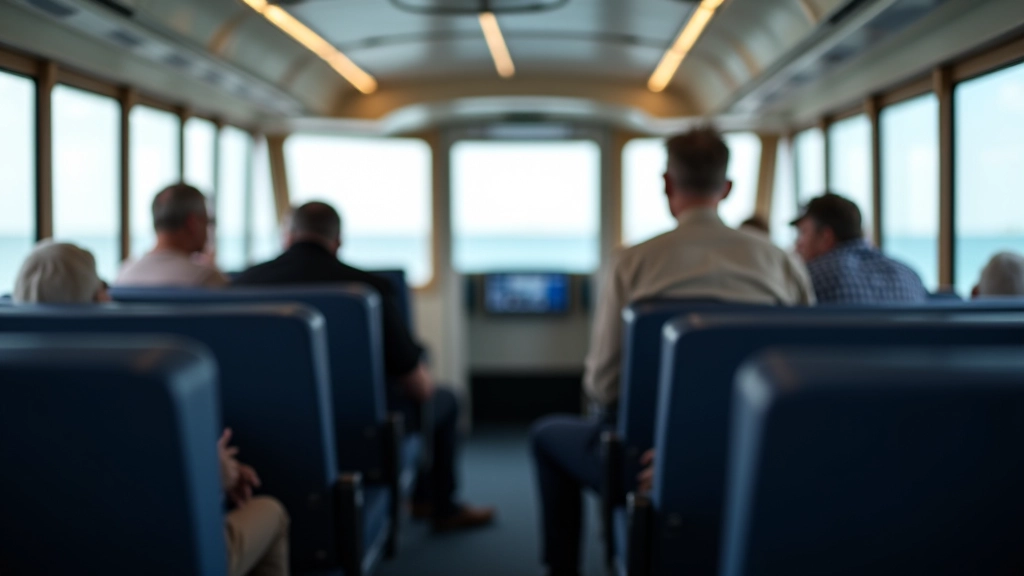
Not everyone wants to be in the main deck with crowds and engine noise. Many ferries now have quieter cabin areas. You won't get silence — you're on a boat — but you'll get away from the throng of tourists taking selfies.
The Aran ferries have indoor seating areas with decent ventilation. If you get motion sickness, the lower deck is generally calmer than topside. Staff can usually reserve these quieter spots if you mention it when booking. Bring layers — these ferries can be breezy even on calm days, and the air conditioning sometimes works overtime.
If you're sensitive to noise or crowds, avoid peak tourist season (July-August). The same ferry route in May or September feels completely different — more space, friendlier atmosphere, and staff who have time to chat rather than rush.
Food, Drinks & Facilities
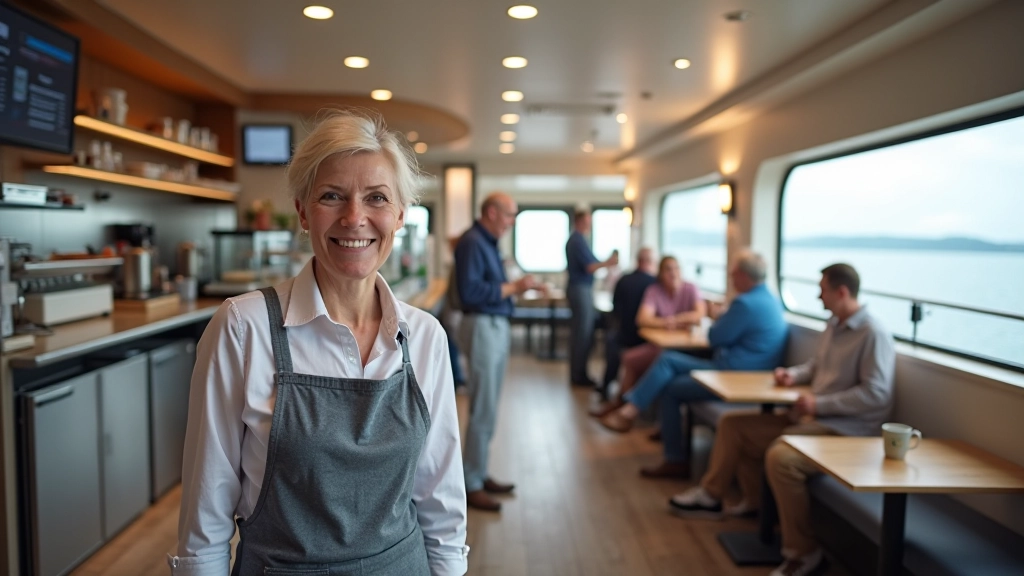
Longer ferry routes (anything over 45 minutes) have cafés on board. Don't expect gourmet food. You're looking at sandwiches, pastries, coffee, and soft drinks. Prices are what you'd expect for a captive market — a sandwich costs roughly twice what it would in town.
The accessible toilets are a genuine feature worth knowing about. They're typically spacious, have grab bars, and aren't as grim as ferry toilets used to be. Importantly, they're usually lockable for privacy and they're positioned away from the main crowd.
What to Bring
- Your own snacks if you have dietary preferences or restrictions
- A refillable water bottle — bring it empty through security, fill it after
- Medications in original labeled containers
- A light scarf or cardigan for temperature changes
- Ginger biscuits or motion sickness tablets if you're prone to sea sickness
Practical Planning Steps
Getting accessibility right comes down to communication and advance planning. Here's how to make it work:
Contact the Ferry Company
Call at least a week ahead. Tell them about mobility aids, medical equipment, or assistance needs. Most companies have dedicated accessibility staff who'll note your requirements.
Arrive Early
Aim for the dock 30 minutes before departure. This gives staff time to help with boarding without rushing. You'll avoid the crush of last-minute passengers too.
Know Your Ferry
Ask which vessel you'll be on. Different boats have different layouts. The Aran ferries rotate vessels — knowing which one you're getting matters if you use a wheelchair.
Bring Documentation
Medical letters, mobility aid specs, or accessibility certificates aren't usually required but they help staff understand your needs quickly.
Consider Traveling Off-Peak
Weekday sailings in shoulder seasons (May-June, September) are calmer, less crowded, and staff can give you better attention.
Making Your Island Trip Real
Island hopping in Ireland isn't restricted to people with perfect mobility. It's genuinely doable if you plan properly. The ferry operators have invested in real accessibility — ramps, toilets, staff training — and they're keen to help.
Yes, you'll encounter some limitations. Smaller ferries to Skellig Michael won't suit everyone with mobility challenges. The weather can change quickly. But thousands of older travelers do these trips every year and have wonderful experiences. You can too.
The islands themselves are worth the journey. Whether you're watching seabirds at Cape Clear, walking the Aran cliffs, or gazing at Skellig Michael's ancient monastery, you're seeing places that've captivated visitors for centuries. Don't let accessibility concerns keep you on the mainland. Make that call, book early, and plan your trip.
Important Information
This guide provides general information about ferry accessibility across Irish island routes. Specific facilities, services, and accessibility features vary by ferry operator and may change seasonally. Always contact your chosen ferry company directly to confirm current accessibility provisions, arrange assistance in advance, and discuss any specific mobility or medical requirements. Weather conditions can affect ferry operations and accessibility. This article isn't a substitute for direct communication with ferry operators about your individual accessibility needs.